
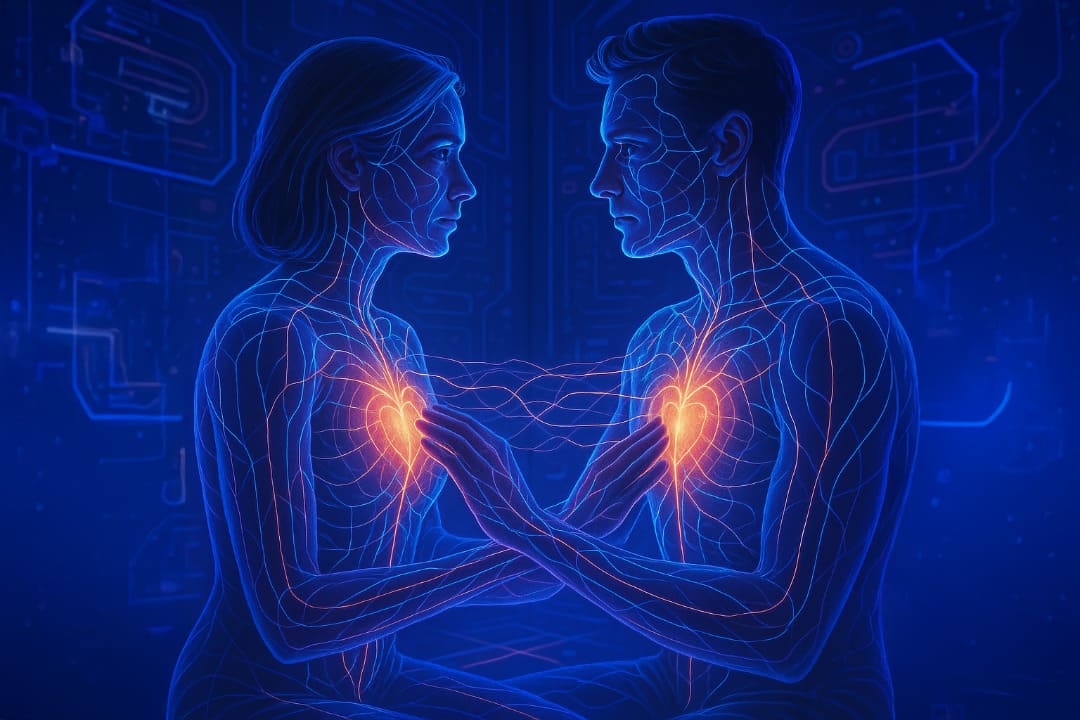
How Peptides Are Redefining Sexual Wellness
Moving Beyond Performance-Based Solutions
Modern sexual wellness is undergoing a paradigm shift. While pharmaceutical interventions have long focused on physical performance, emerging research highlights the importance of emotional connection, hormonal balance, and stress reduction in cultivating fulfilling intimacy.
Peptides—small chains of amino acids that regulate biological functions—are at the forefront of this revolution. Unlike conventional approaches, these compounds address the root causes of diminished desire, offering a more holistic path to sexual well-being.
The Limitations of Traditional Approaches
Most mainstream solutions target symptoms rather than underlying factors:
- Performance-enhancing medications focus narrowly on physical function
- Hormonal therapies often come with unwanted side effects
- Psychological approaches may neglect biological contributors
Peptides bridge this gap by working with the body’s natural systems to:
- Enhance libido without synthetic drugs
- Strengthen emotional bonds through oxytocin modulation
- Restore hormonal balance for sustained vitality
- Reduce stress and anxiety — key inhibitors of intimacy
Evidence-Based Peptide Applications
For Men: A Balanced Approach to Vitality
Key Compounds:
- Kisspeptin-10 (100–200 mcg, 2x/week): Stimulates natural testosterone production
- PT-141 (1–2 mg as needed): Non-hormonal libido enhancer with rapid onset
- Oxytocin (10–20 IU): Promotes post-intimacy bonding
Mechanism: Targets the hypothalamic-pituitary-gonadal axis while enhancing emotional connectivity.
For Women: Addressing the Full Spectrum of Desire
Key Compounds:
- Oxytocin (5–10 IU, 1–2x/week): Reduces stress and enhances emotional receptivity
- PT-141 (1–1.5 mg): Clinically studied for female sexual dysfunction
- Low-dose Melanotan II (0.25–0.5 mg): Modulates sensual sensitivity
Mechanism: Works through melanocortin and oxytocin pathways to enhance both physical and emotional aspects of intimacy.
For Couples: Synchronizing Biological and Emotional Connection
Synergistic Protocol:
- Coordinated oxytocin dosing (10 IU each): Enhances mutual bonding
- Kisspeptin (100 mcg, 2x/week): Supports hormonal harmony
- BPC-157 (250 mcg/day): Improves vascular function and comfort
Outcome: Creates a biochemical environment conducive to sustained intimacy.
Quality Considerations in Peptide Therapy
When exploring peptide applications, several factors ensure safety and efficacy:
- Third-Party Testing – Independent verification of purity and concentration
- Proper Dosing Protocols – Precise mcg-level dosing based on clinical research
- Cycling Guidelines – Recommended usage periods to prevent receptor desensitization
- Storage Requirements – Refrigeration and sterile handling protocols
The Future of Intimacy Medicine
The emerging understanding of sexual wellness emphasizes:
- The interconnectedness of physical and emotional factors
- Personalized approaches based on individual biochemistry
- Preventive strategies rather than symptomatic treatment
Peptide therapy represents a significant advancement in this field, offering targeted solutions that respect the complexity of human intimacy.
For those interested in exploring these options, consulting with a knowledgeable healthcare provider and sourcing from reputable suppliers is strongly recommended.
No responses yet